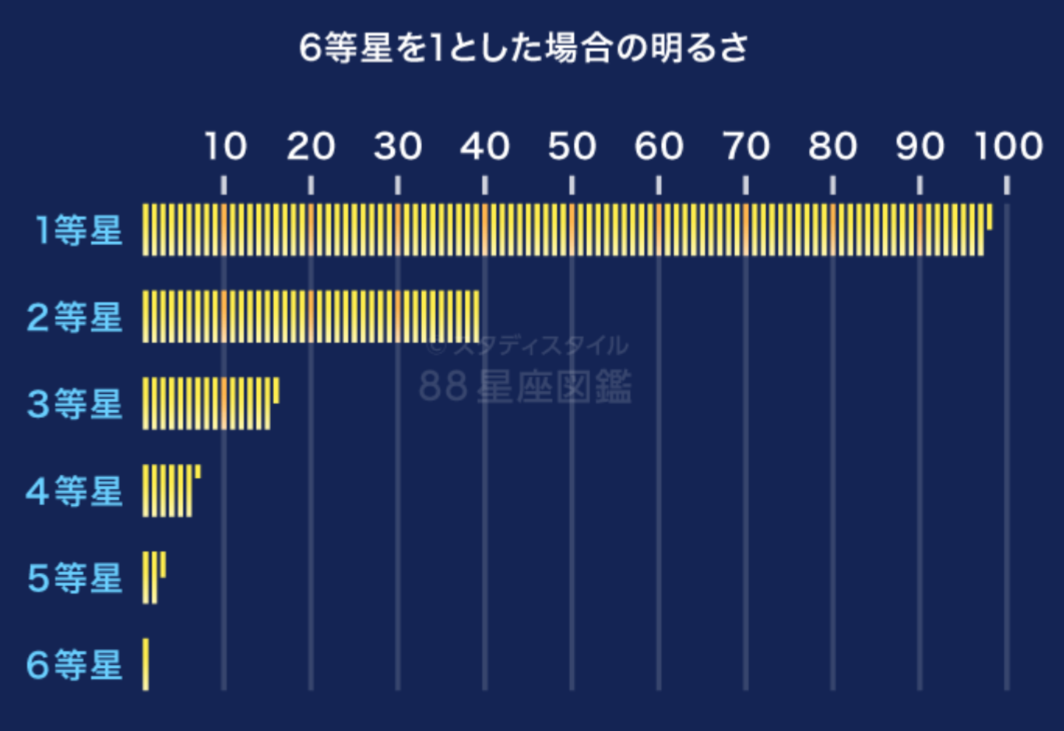
Stars are grouped by brightness. The brightest stars are called first-magnitude stars, while stars just barely visible to the naked eye are sixth-magnitude stars. The smaller the number, the brighter the star. Each magnitude is about 2.5 times brighter than the next. Winter is a good season for star watching because the air is clear and many bright stars can be seen.
Image reference from Study Style Nature Learning Museum
Star Guide
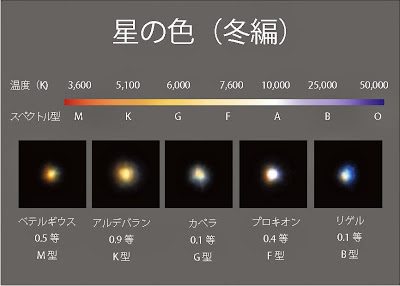
Star colors
If you look carefully, some stars appear red, blue, white, or yellowish. This is related to the surface temperature of the star. Hot stars look bluish white, and cooler stars look white, yellow, orange, or red. Blue-white stars are often relatively young, while red stars are often older.
Image reference from Tainai Natural Astronomical Museum blog
Star Guide
Distance to stars
In space, distance is often measured in light-years. One light-year is the distance light travels in one year, about 9.5 trillion kilometers. The light from the Moon is about 1.3 seconds old, and sunlight is about 8 minutes old when it reaches us. Constellations connect stars as seen from Earth, but the actual distances to each star can be very different.
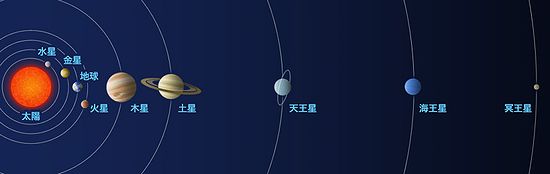
Image reference from Senichiya Sumotsukuren story
Planets
Try finding planets
Unlike constellation stars, planets change position from day to day. Using a star map app such as Stellarium can help you identify stars, planets, and constellations by pointing your phone toward the sky.
VenusA very bright planet seen in the western sky after sunset or the eastern sky before sunrise. It is known as the evening star or morning star.
JupiterA very bright planet that often appears golden. It may also be visible around midnight.
MarsA reddish planet whose brightness changes depending on its distance from Earth. It is especially noticeable when close to Earth.
SaturnA bright planet with a soft yellow color. It often shines more steadily than many stars.
Seasonal Sky
Starry sky by season
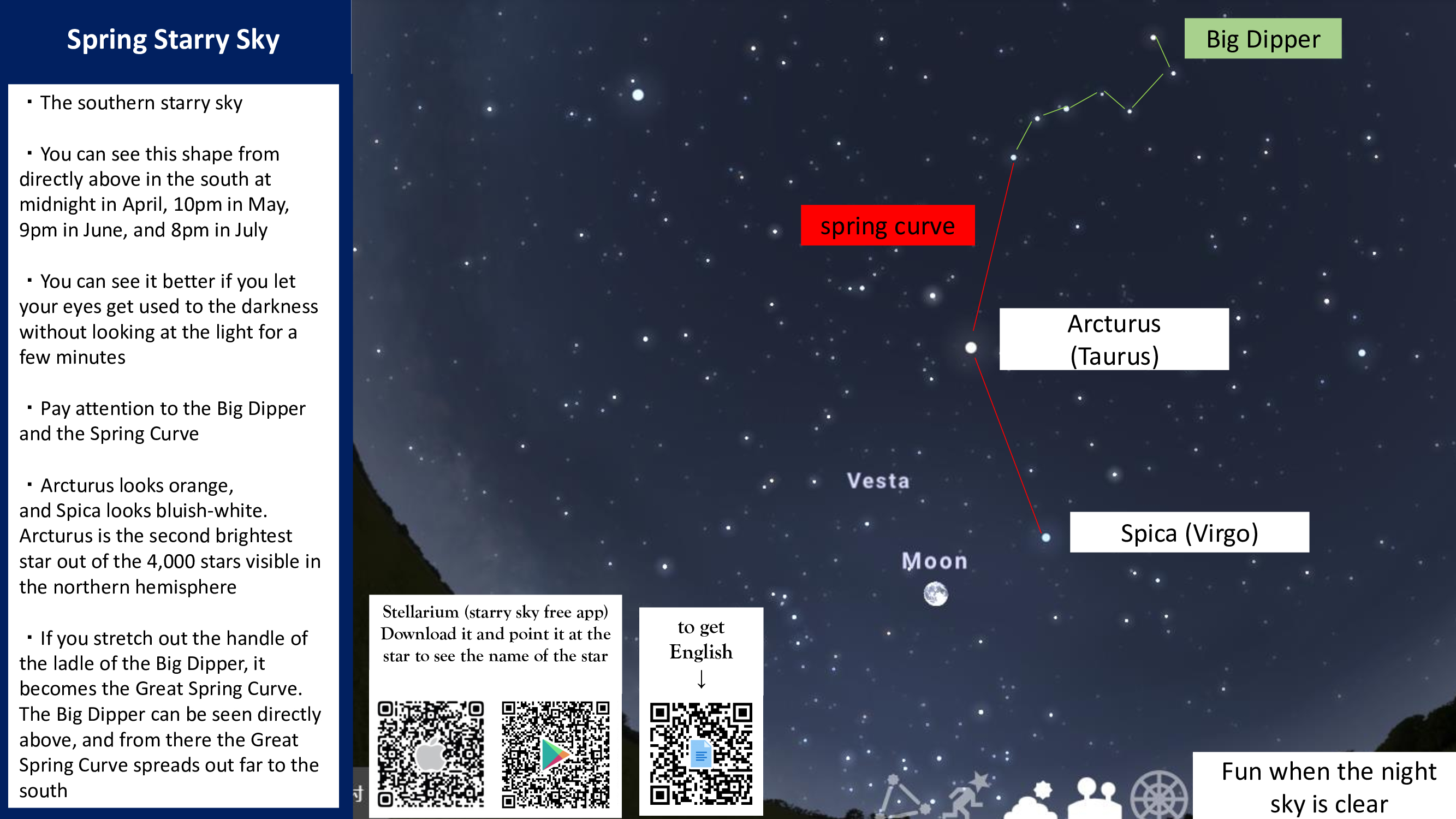
April to July sky
Spring to early summer night sky. This is a good season to look for the Big Dipper and the Spring Triangle while relaxing in the highland night air.
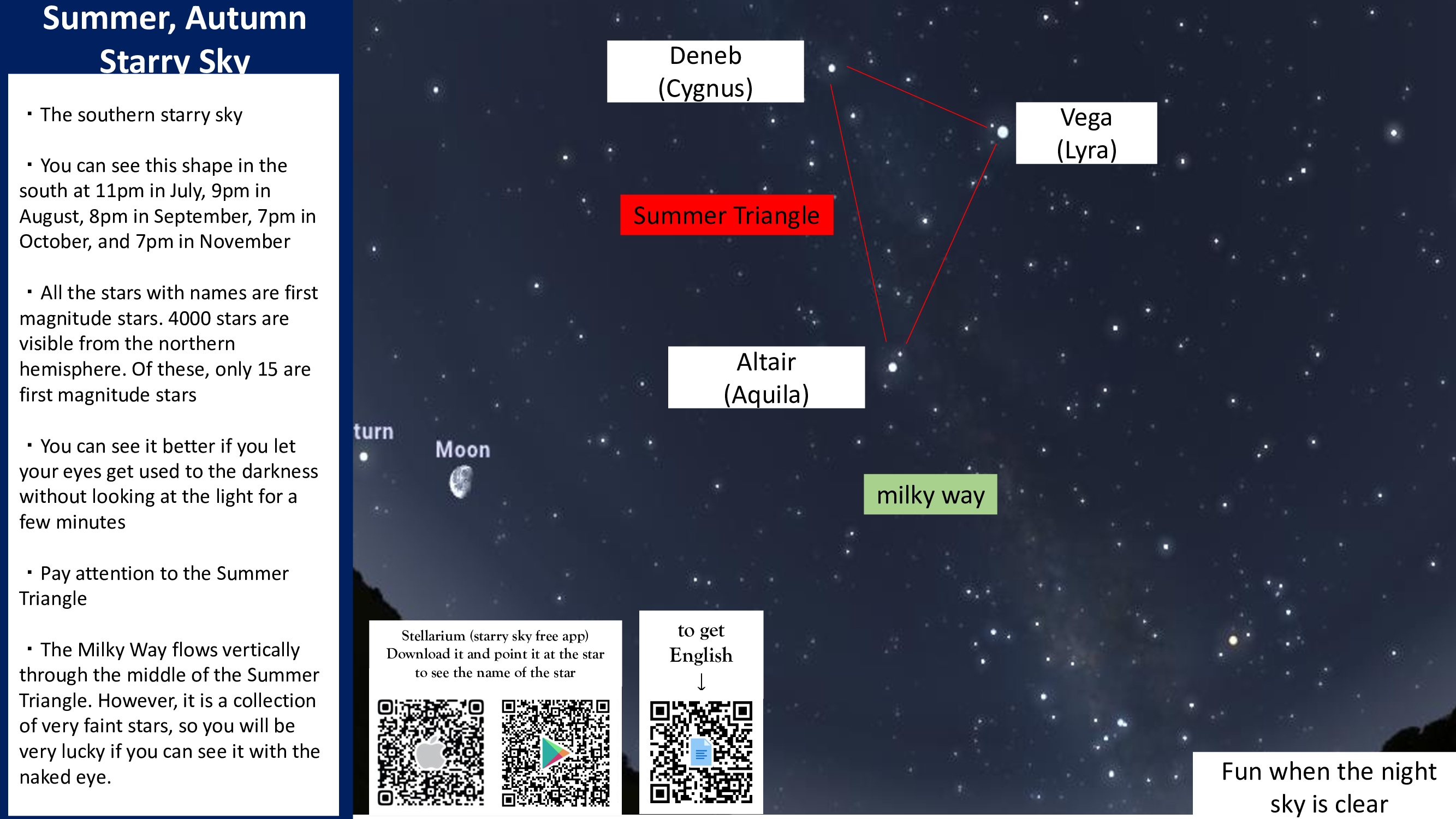
July to November sky
Summer to autumn night sky. The Milky Way, Summer Triangle, and autumn constellations make it easy to feel the changing seasons.
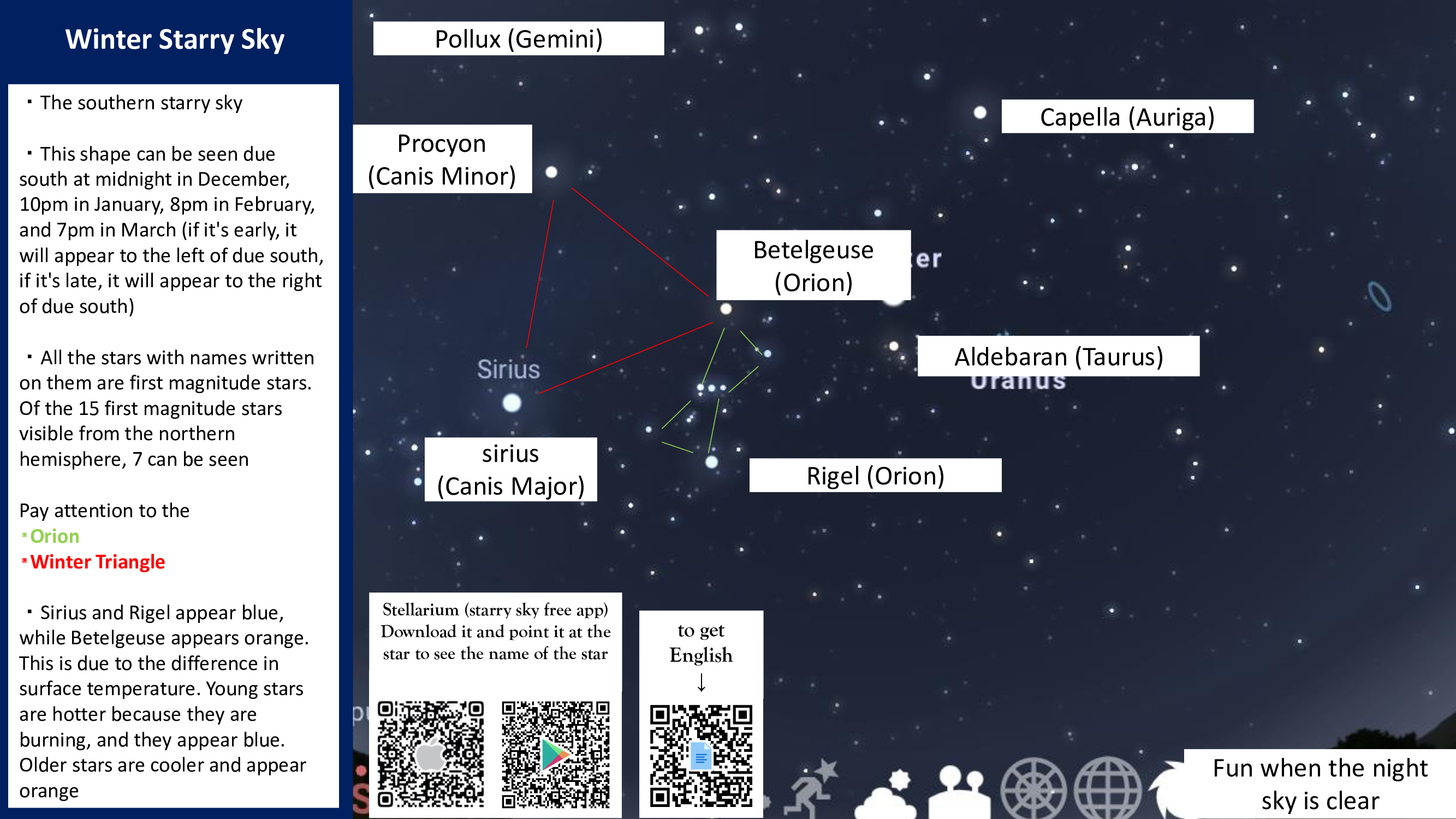
December to March sky
Winter night sky. Many bright first-magnitude stars are visible, and the air is often clear, so stars can look especially beautiful. Please dress warmly.
A quiet Kitakaruizawa night under the stars
On a clear night, looking up after the fire or BBQ can become one of your travel memories.