Different scenery in spring, summer, autumn, and winter
Fresh green leaves in spring, deep highland green in summer, colorful leaves in autumn, and snowy white scenery in winter. This English guide introduces nature around Kitakaruizawa and Tsumagoi Village so you can enjoy the landscape more during your stay.
Learn about Mt. Asama, hot springs, spring plants, summer highland vegetables, autumn and winter scenery, animal tracks, and local guide services.
All year
Mt. Asama
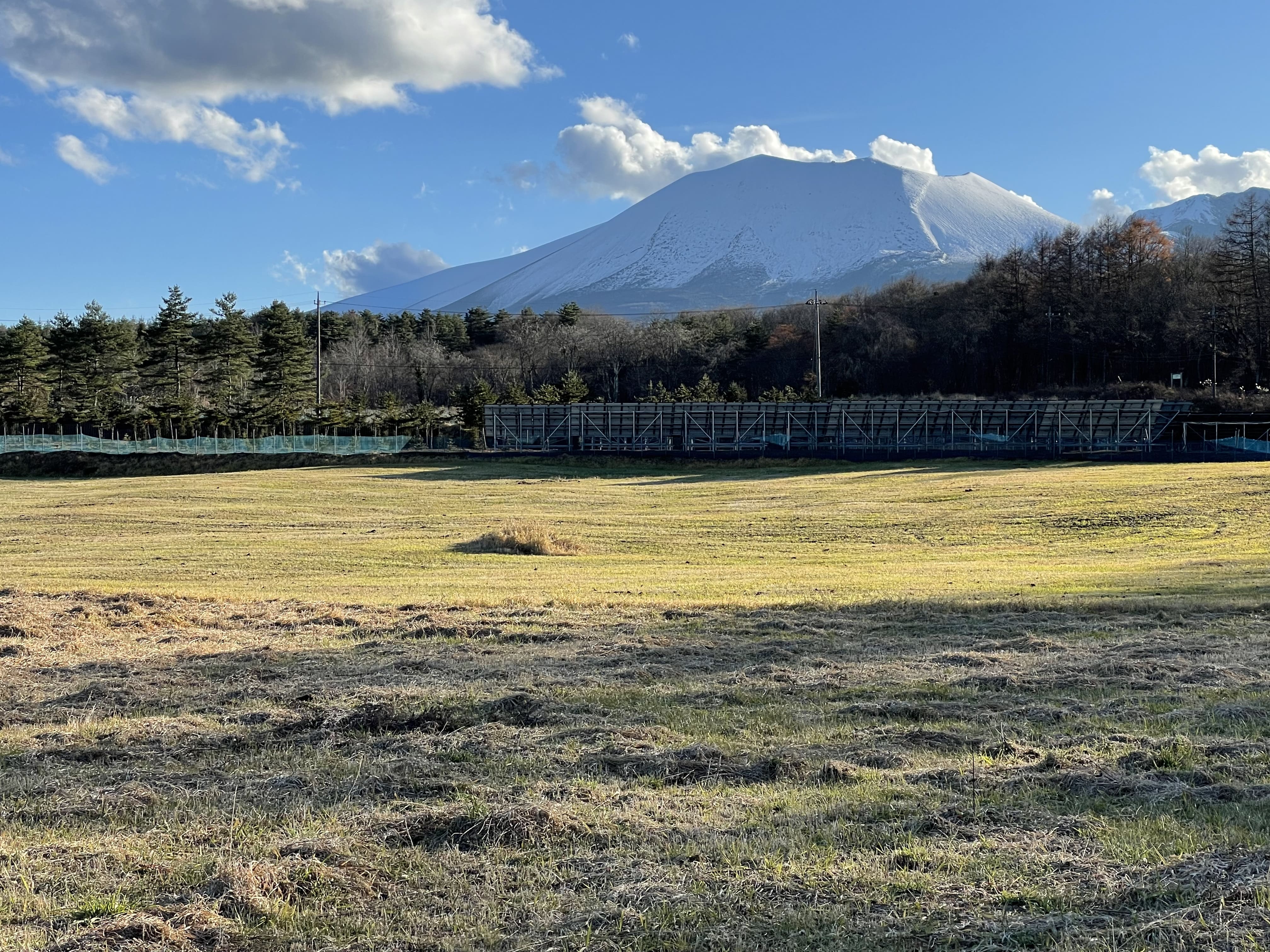
Mt. Asama is the local symbol of this area. It is an active volcano about 2,500 meters high, roughly the same altitude as the sixth station of Mt. Fuji. Our cottages are located at about 1,000 meters above sea level, where you can feel the clear highland air at the foot of Mt. Asama. The mountain has changed shape through many eruptions over tens of thousands of years. From around November, snow appears near the top, and by December the mountain often turns white.
All year
Hot springs
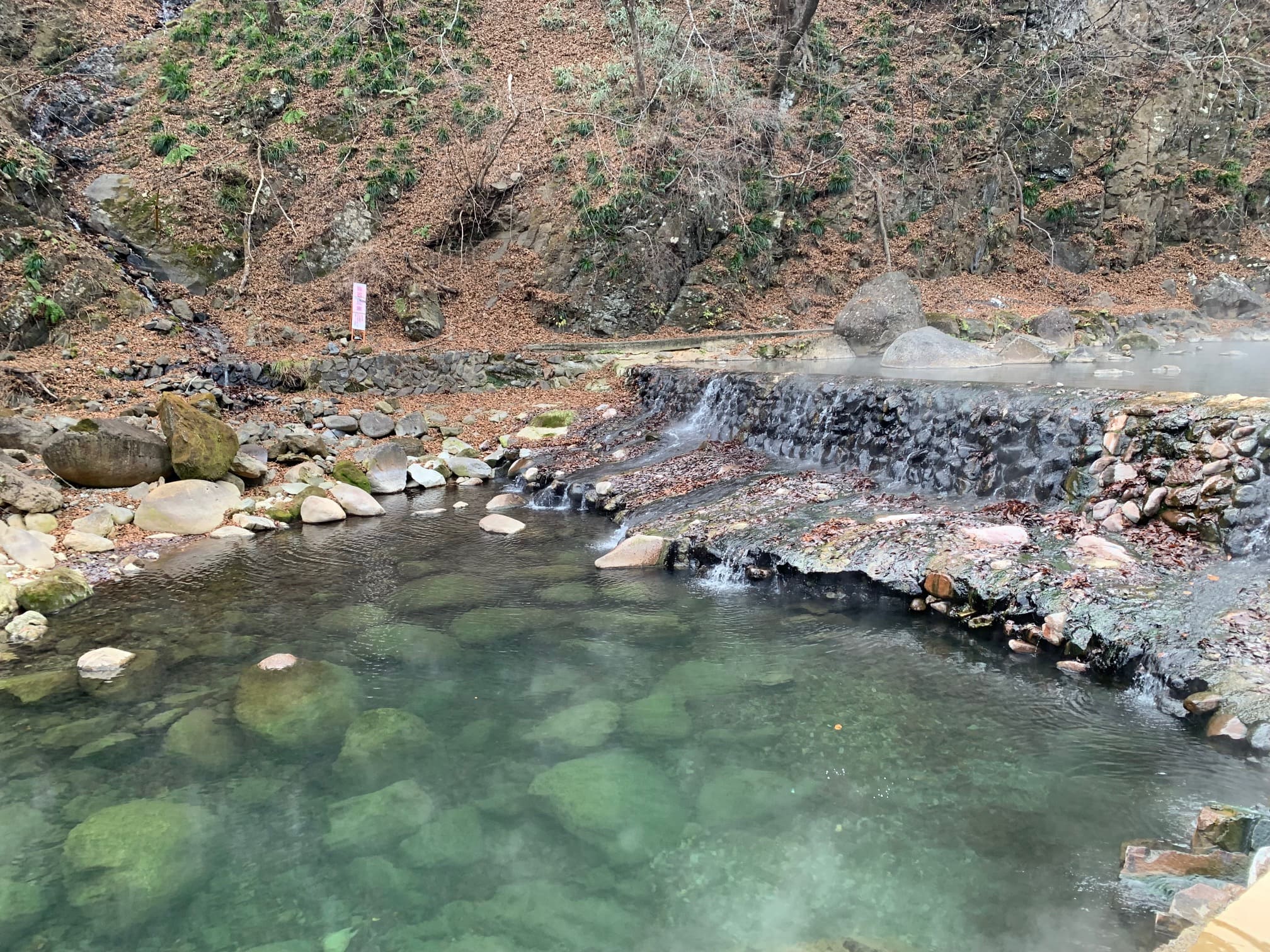
Kitakaruizawa and Kusatsu are rich in hot springs because this region has many volcanoes. Rain and snow seep into the ground, underground water is warmed by volcanic heat, and hot spring water rises through cracks in the earth. Many hot springs in this area use water flowing directly from the source, without adding water or reheating. Kusatsu is especially famous for its abundant hot spring water and its historic hot spring town.
Spring
Fukinoto butterbur sprouts
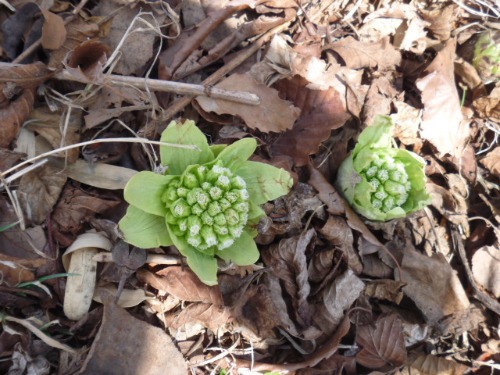
Fukinoto is a spring wild vegetable that is delicious as tempura. In Kitakaruizawa, it appears soon after the snow melts. It often grows in moist places, shaded areas, riverbanks, near fields, and among fallen leaves. By around May, the sprouts grow into larger green butterbur leaves.
New leaves in spring / yellow leaves in autumn
Japanese larch
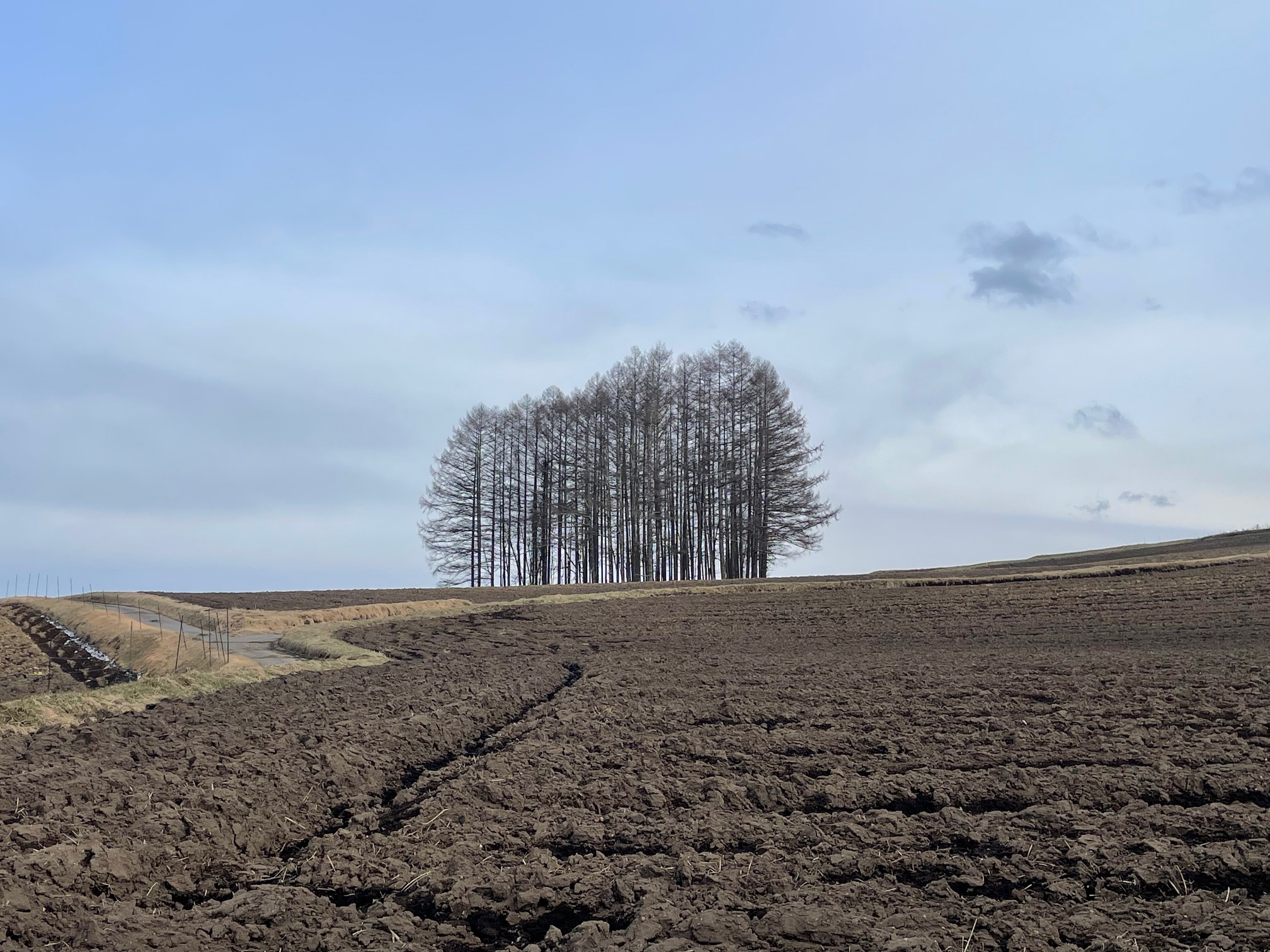
Japanese larch trees grow throughout this region. Fresh green needles appear around May, then turn yellow around October before falling. When the sunlight shines through the larch needles as they fall, the scenery is very beautiful. It is the only deciduous conifer native to Japan, so it is also known as a larch that sheds its leaves.
Spring
Sakasauma snow shape
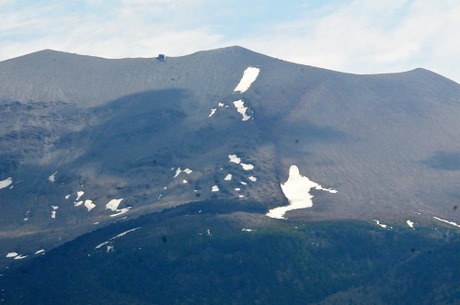
As the snow on Mt. Asama melts, a horse-like shape appears on the mountainside. This is called Sakasauma, meaning upside-down horse. In Tsumagoi Village, people say spring has arrived when this shape becomes visible, and farmers begin preparing their fields. It can usually be seen from late April to early May.
Summer
Cabbage fields
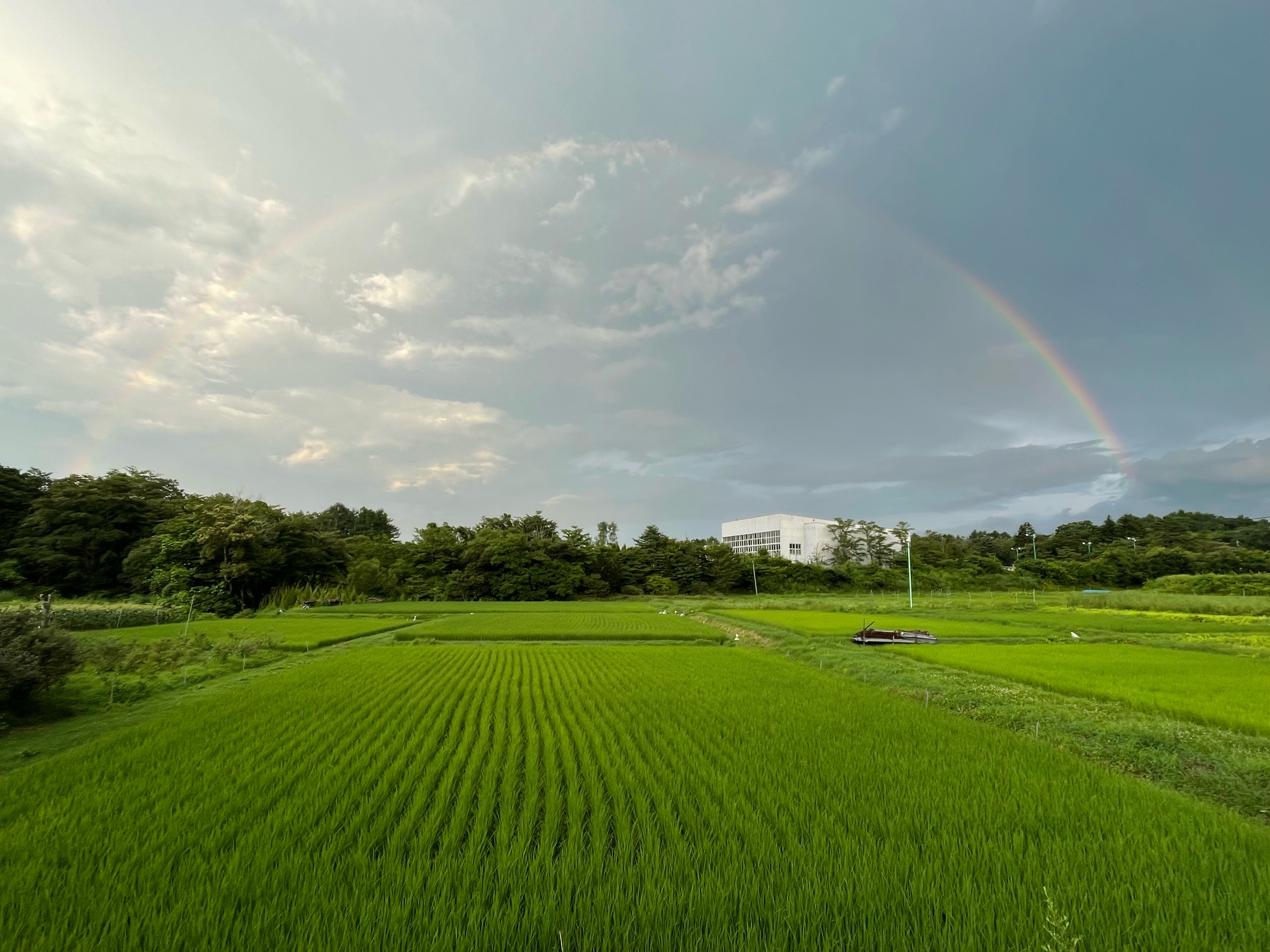
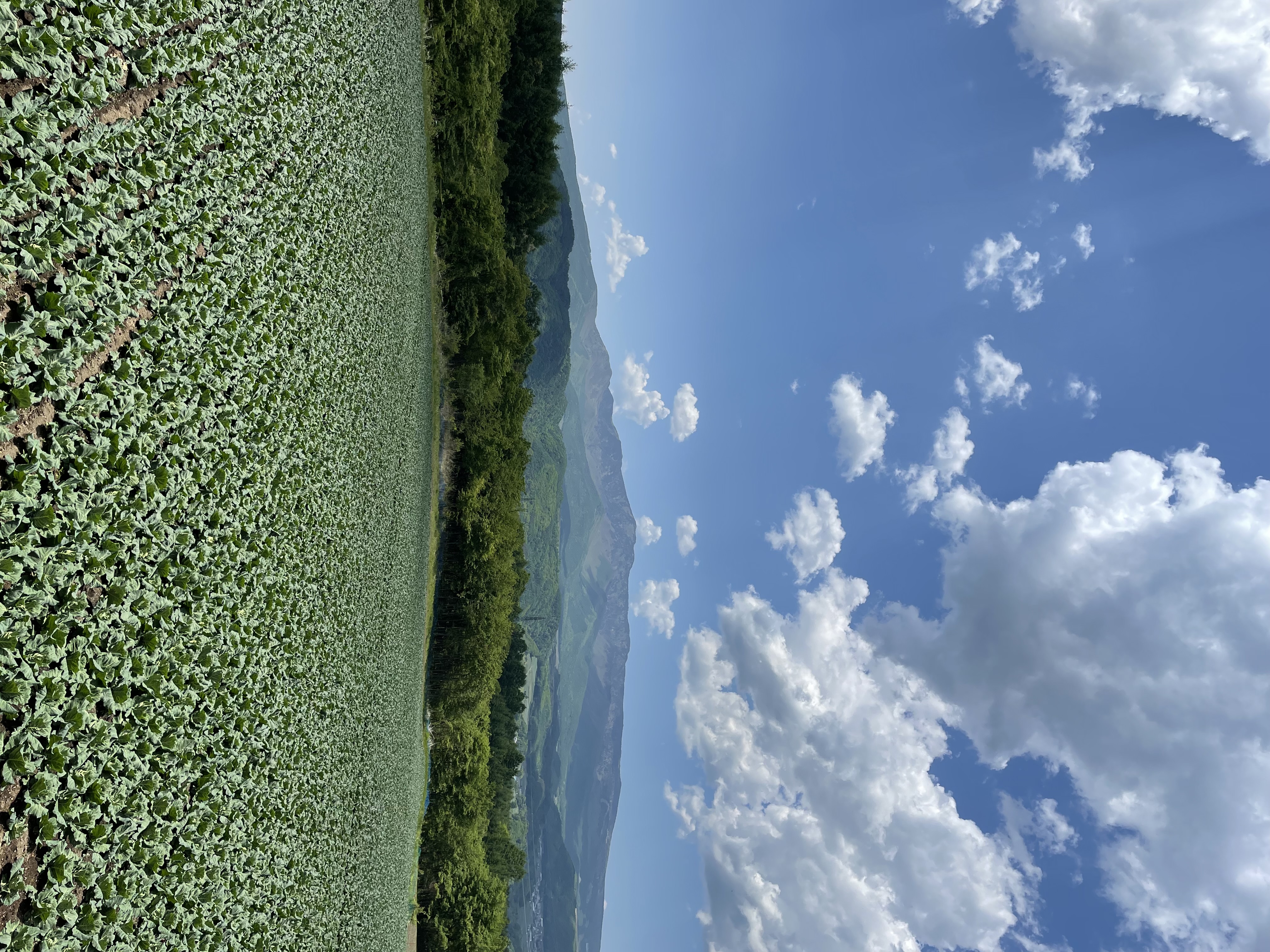
Tsumagoi Village is one of Japan's major cabbage-growing areas. Cabbage grows well at around 15 to 20 degrees Celsius, which matches the summer climate here. Harvesting starts around 2:00 a.m. when it is cool, and each cabbage is cut by hand. The vast cabbage fields are a classic summer landscape of Tsumagoi.
Summer
Sweet corn
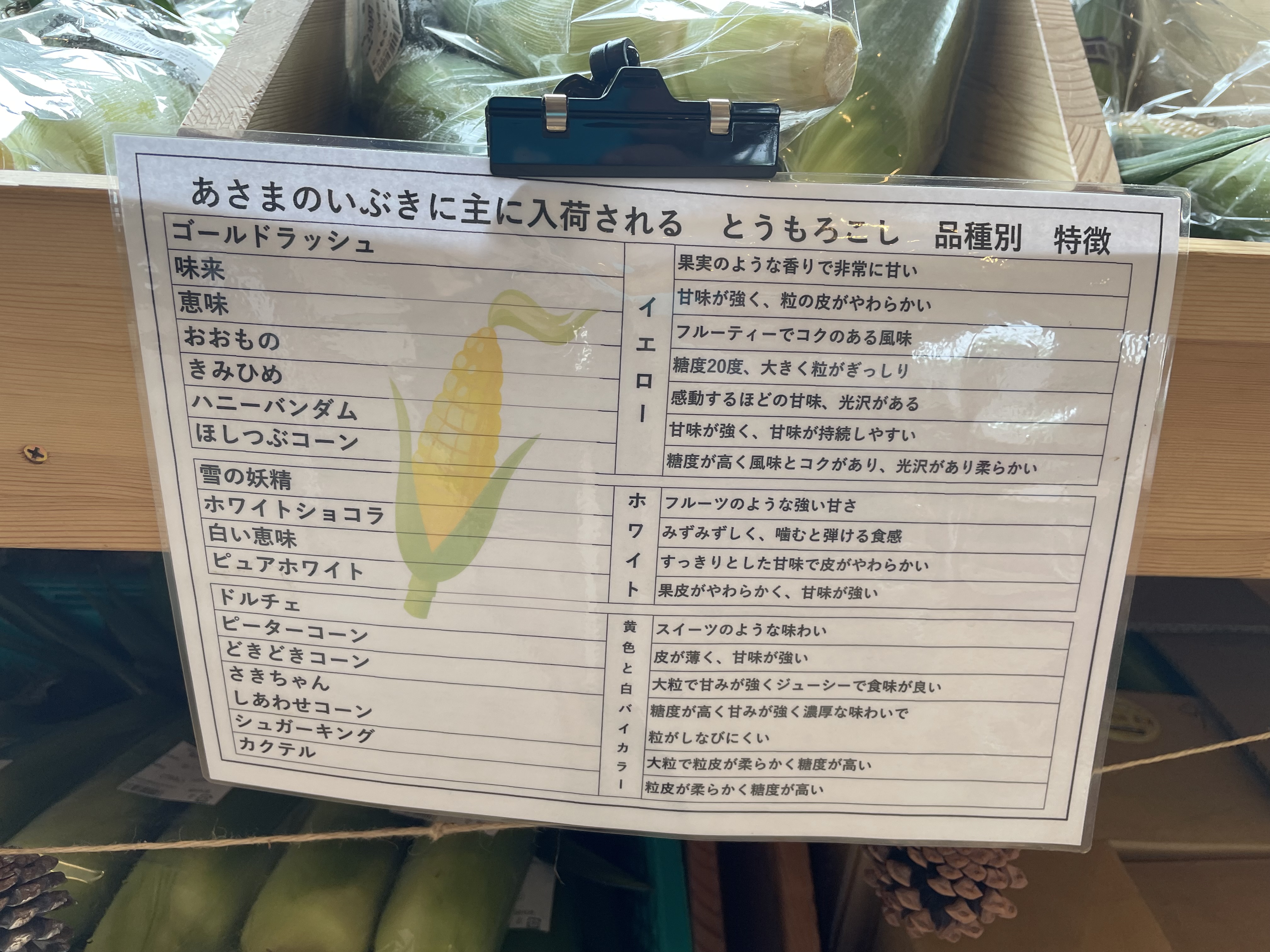
Kitakaruizawa is also known for sweet corn. The large temperature difference between day and night, mineral-rich soil from mountain snowmelt, and clear highland air help make the corn sweet. We recommend trying fresh Gold Rush corn raw when it is available from late July to around September at local farm shops such as Kubo Farm.
Autumn / Winter
Mistletoe
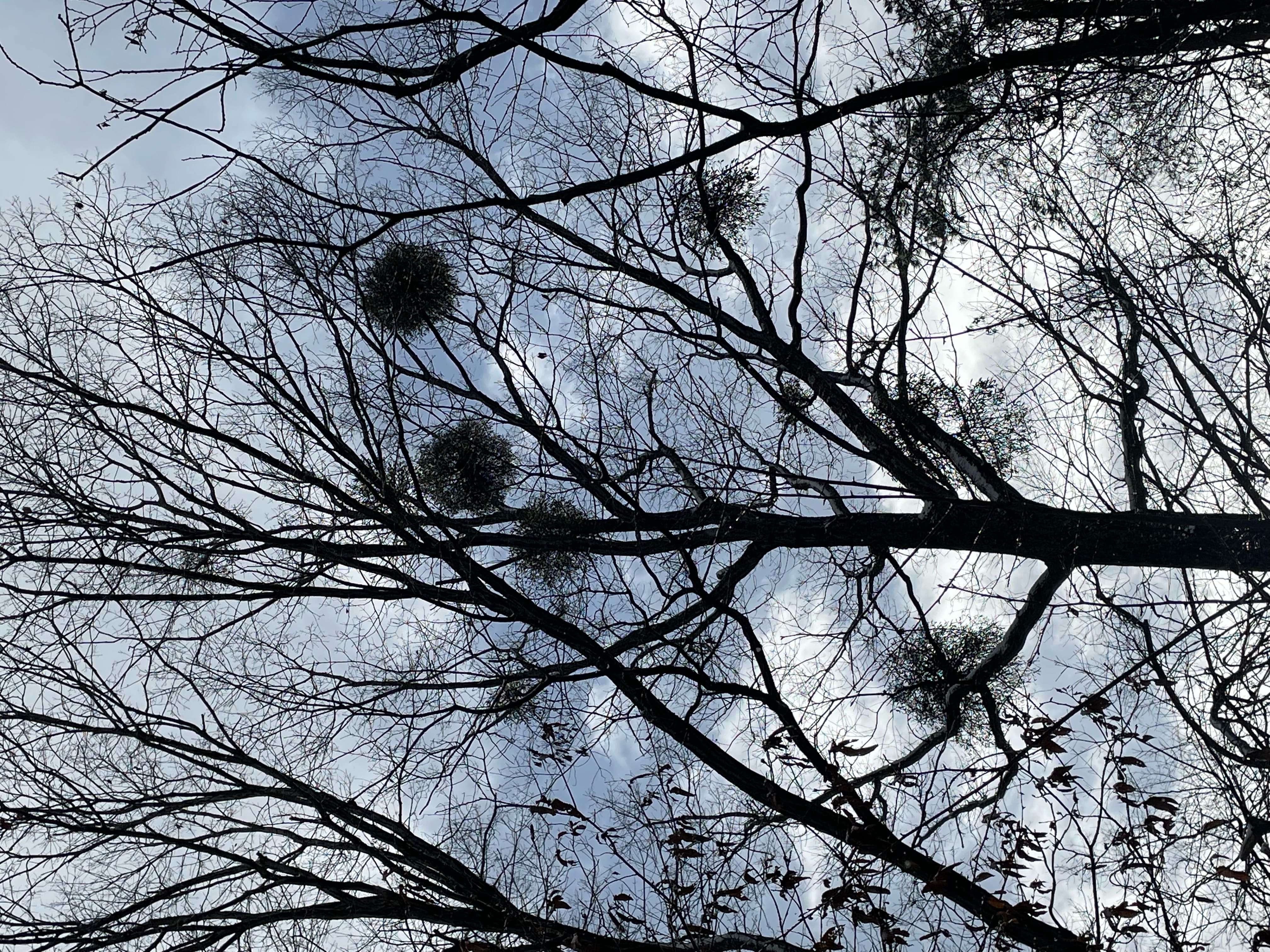
Mistletoe can be seen here and there in this area. It grows on the trunks and branches of other trees instead of rooting in soil, but it also photosynthesizes by itself. It is easier to find in autumn and winter when the host trees lose their leaves. In Europe, mistletoe has long been regarded as a sacred plant.
Early winter
Snow bugs
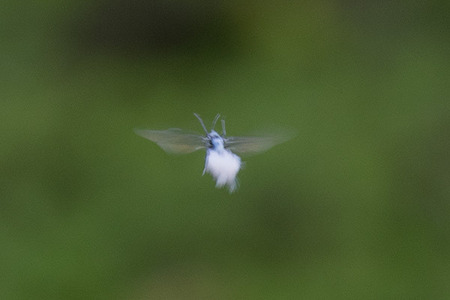
Snow bugs are tiny insects that fly with white fluffy wax on their bodies. People say the first snow may come two or three weeks after seeing them, so they are a sign of late autumn and early winter. Kitakaruizawa is sometimes said to have a climate similar to Hokkaido, and snow bugs are one of the shared seasonal sights.
Winter
Animal tracks
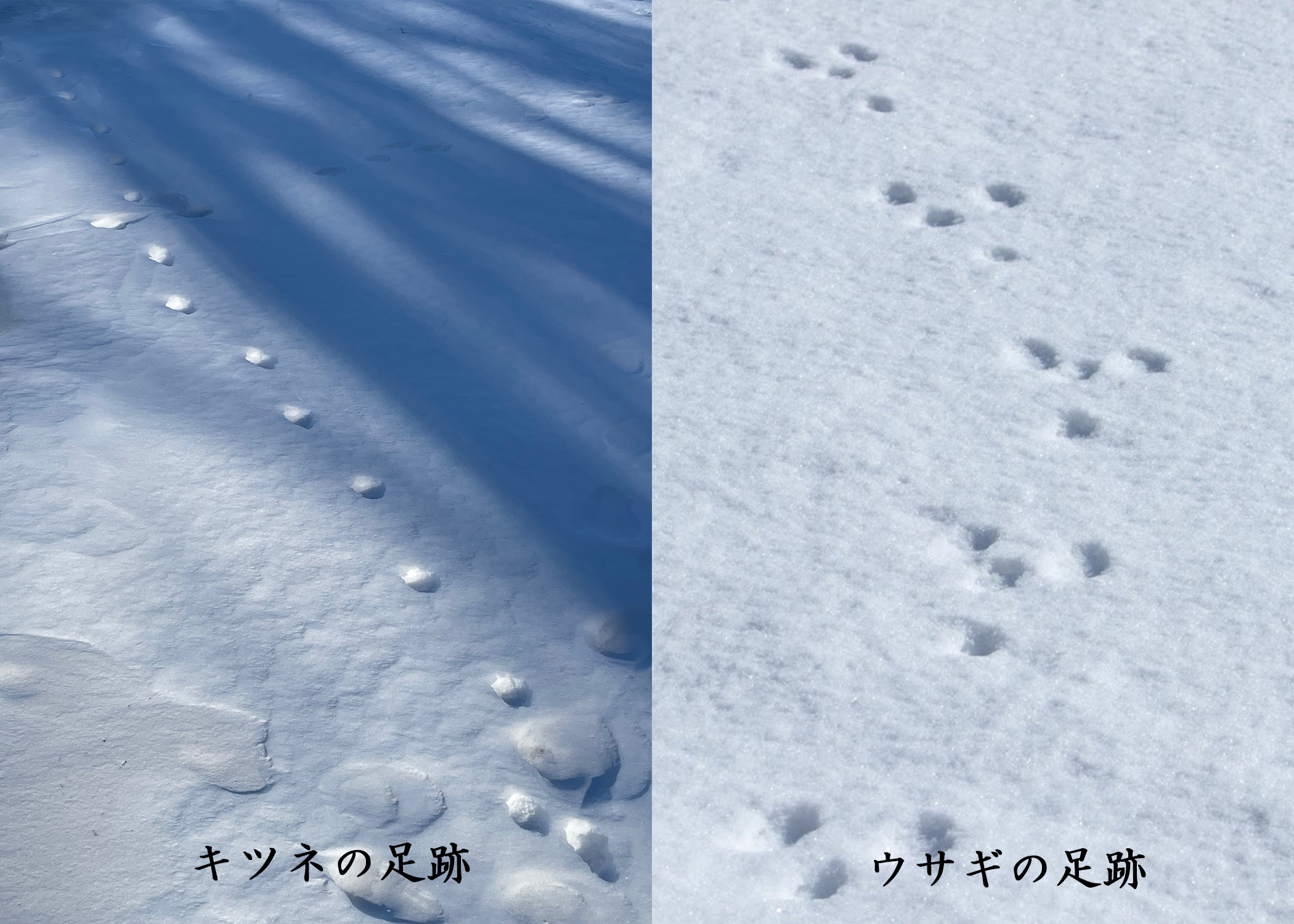
Many wild animals live around Kitakaruizawa. If you drive quietly along mountain roads, you may be lucky enough to see foxes, squirrels, hares, or pheasants. In snowy seasons, animal tracks are easier to find. Please observe quietly from roads and do not enter fields or private land.
Reservation required
Mt. Asama North Geopark Guide
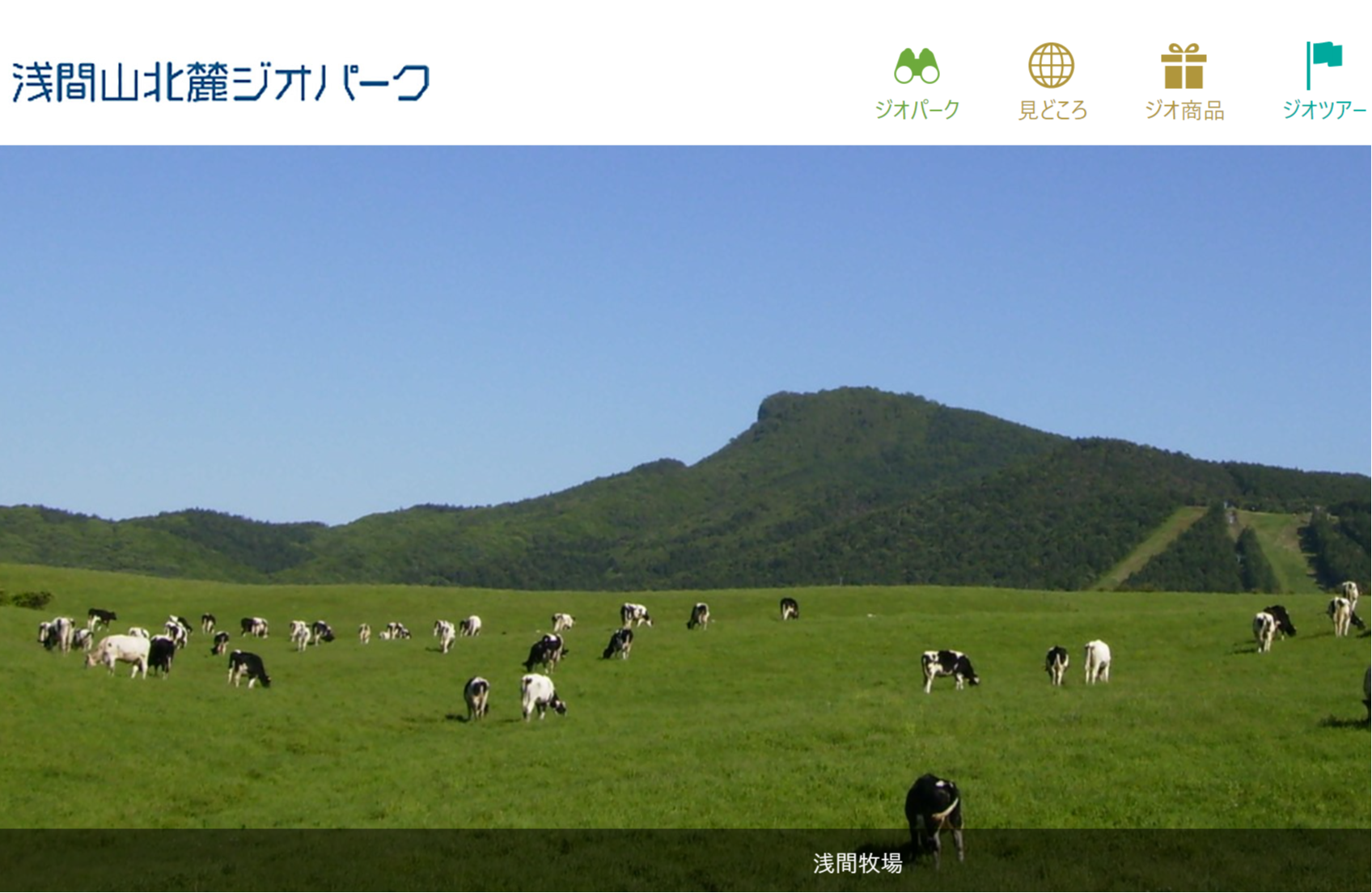
The Mt. Asama North Geopark offers local guide services, including walking tours around Asama Farm, starry-sky guides, and trail guides near Asamaen. Guides can explain plants, stars, local stories, and the geology of the area. Reservations are required in advance. If you are interested, please ask us when booking your facility.